






LEWES, Del. - The Sussex County Planning and Zoning Commission is considering an ordinance that would amend conditions tied to Tharros Village near Five Points in Lewes, a change organizers say would align county regulations with the state’s ownership of the property and make day-to-day operations easier.
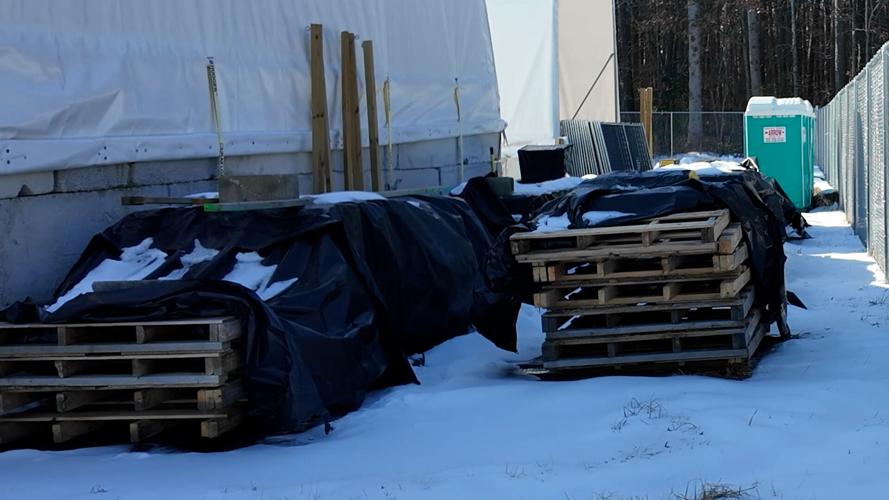
If approved, the amendment would allow year-round outdoor storage associated with Tharros Village, even when residents are not living on the site.
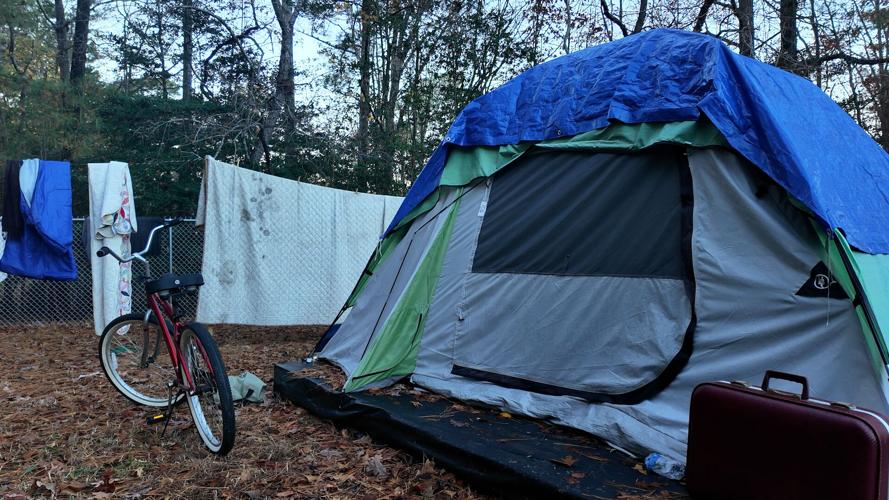
Tharros Village operates as a small, self-governed transitional community for unsheltered adults in Sussex County. The village operates seasonally from March 15 through Nov. 30.

Tharros Village is privately funded and powered by donations. Organizers said the village has a $60,000 capital budget for this year, with about $30,000 already raised.
Organizers said the amendment would allow certain assets to remain on site outside of the operating season, creating more flexibility for maintaining infrastructure.
“Yes, it will make things easier if this ordinance aligns with the state,” said Mike Agnew of Tharros Village. “We may still have to pack certain things up at the end of the season, but it does make maintaining the infrastructure a lot easier.”
According to organizers, the changes would support planned upgrades at the site, including adding electrical access so residents can charge phones, upgrading security cameras, and using heavier-duty tents. Plans call for 28 heavy-duty tents, each weighing approximately 80 pounds.

The village operates seasonally from March 15 through Nov. 30.
Tharros Village is privately funded and powered by donations. Organizers said the village has a $60,000 capital budget for this year, with about $30,000 already raised.
They also said the village relies on community fundraising efforts such as Do More 24 to cover annual operating expenses. Tharros Village is participating in Do More 24 as part of its 2026 fundraising campaign, with a goal of raising $20,000 to support operating costs during the March 15 through Nov. 30 season, including utilities, sanitation, safety measures, site maintenance, and resident support.
All other conditions tied to the original conditional use would remain unchanged if the ordinance is approved.
