




DEWEY BEACH, Del. - A $1 million dollar grant approved in 2024 to address persistent flooding on Read Avenue in Dewey Beach has been put on hold, delaying construction of a planned pump station, according to town officials.
Town Manager Bill Zolper said the funding, administered through the U.S. Army Corps of Engineers, was withheld while the project was already in the design phase. Zolper said he has not been given a reason for the pause.
“They would not give me a reason,” Zolper said. “I asked if they could give me something in writing because I have citizens and commissioners I have to respond to, and they said they could not.”
Zolper also said representatives from the Army Corps declined to attend a recent town commissioners meeting, even by Zoom, to explain the situation. As of this writing, the Army Corps of Engineers has not responded to Coast TV for comment.
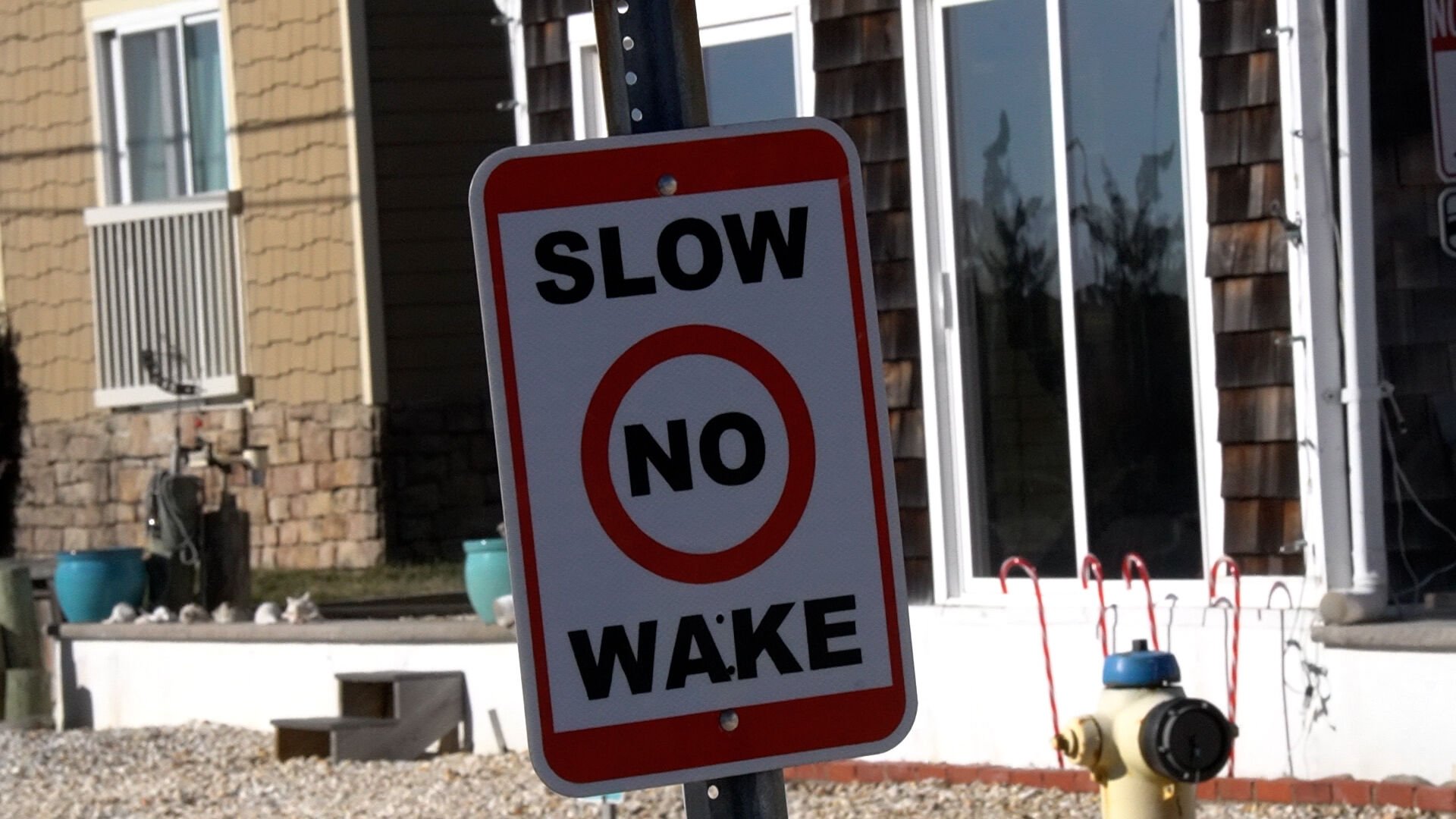
Slow no wake signs up on Read Avenue to prevent speeding during flooding.
The pump station was intended to reduce frequent flooding on Read Avenue, where heavy rain often leaves standing water that can make the street difficult to pass. The town already has slow no wake signs posted along Read Avenue to limit traffic impacts during flooding.
Residents say flooding on Read Avenue remains one of the town’s most serious ongoing problems.
Dylan Spence, who has lived on and off in Dewey Beach his entire life, said residents deserve an explanation for the delay.
“I would definitely like to know why,” Spence said. “It would be nice to know the reason behind it.”
Dewey Beach officials are encouraging residents to contact their state representatives about the funding delay. In a statement published on December 19, the town urged residents to speak up to help release the previously approved funds so the project can move forward. Contact information was provided for U.S. Senators Chris Coons and Lisa Blunt Rochester, and Congresswoman Sarah McBride.
Residents can use a provided template letter when contacting their representatives. Town leaders said timely action is critical to protecting homes, businesses, and public infrastructure from ongoing flood risks.
