



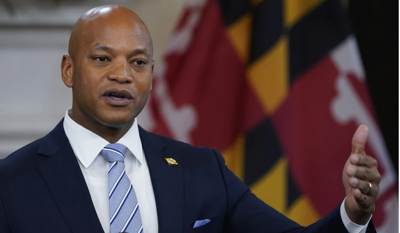


ANNAPOLIS, Md. — Governor Wes Moore has signed a State of Preparedness declaration in anticipation of potential impacts from the remnants of Hurricane Debby later this week. While the storm's path remains uncertain, Maryland could face heavy rain, strong winds, and both inland and tidal flooding.
“The safety of Marylanders is our top priority. By declaring a State of Preparedness, I am directing the Department of Emergency Management to coordinate the comprehensive preparation of State government ahead of potential impacts from the remnants of Tropical Storm Debby,” said Gov. Moore. “Residents and visitors should monitor local weather forecasts, remain vigilant, and be prepared to follow safety instructions from local emergency officials.”
Last November, Governor Moore signed an executive order establishing a State of Preparedness to enhance the state's ability to respond swiftly and effectively to potential hazards and threats before an actual disaster occurs. This order empowers the Department of Emergency Management to coordinate state government preparations, offering an additional layer of protection for Marylanders without declaring a State of Emergency.
The latest forecast from the National Hurricane Center indicates that the remnants of Tropical Storm Debby could affect the Mid-Atlantic later this week and into the weekend. Currently, the main threats are heavy rain and tidal flooding. The storm's track remains uncertain, which will significantly influence rainfall amounts.
According to the forecast, the primary impacts are expected from Thursday into Saturday, depending on how long Tropical Storm Debby remains on the Southeast U.S. Coast before moving into the Mid-Atlantic.
Preparedness Recommendations:
- Encourage your family and friends to complete preparedness activities now. Check on neighbors, especially older adults or those needing additional assistance, to ensure they have necessary supplies.
- If you live in an evacuation zone, be ready to evacuate quickly. Visit the "Know Your Zone" page to learn about evacuation zones in Maryland. Practice evacuation routes with your household and pets, and identify where you will stay.
- Follow instructions from local emergency managers, who work closely with state and local agencies and partners to provide the latest safety recommendations for your community.
- Keep cell phones, tablets, and laptops charged when a storm is forecasted, and purchase backup charging devices.
- Assist neighbors, senior adults, or those needing extra help with their hurricane plans.
- Ensure you have enough supplies, including medications, disinfectants, and pet supplies, in your go bag or car trunk. Access to these supplies may be limited for days or weeks after a hurricane.
For alerts, tips, and resources related to threats and hazards affecting Maryland, text MdReady to 211-631 or MdListo for Spanish.