DELAWARE - DNREC announced Friday the detection of West Nile Virus (WNV) in sentinel chickens for the first time in 2024. The virus was found in eight chickens sampled on July 22 by DNREC’s Mosquito Control Section and confirmed positive by the Delaware Division of Public Health (DPH) Laboratory on July 24.
The WNV-positive chickens were located at five of the 20 sentinel chicken stations maintained statewide by DNREC. The positive stations included three in New Castle County, one in Kent County, and one in Sussex County.
Courageous Hearts LLC provides equine assisted psychotherapy and learning to all parts of Delaware. The horses at the facility in Lincoln are kept up to date on vaccinations for diseases like West Nile Virus.
"We take precautions twice a year through vaccination of our horses here on the farm," says mental health professional and equine specialist Danielle Maldonado. "We also take precautions with making sure we're dumping waters frequently to reduce the mosquito larva population as well. In our pond, we have the goldfish and the ducks to kind of take care of that as well."
"Encountering eight virus-positive chickens in just one week is above the typical weekly rate for our program’s WNV findings, but perhaps reflects what seems to be an active WNV season thus far this year elsewhere in the Northeast,” said Dr. William Meredith, Mosquito Control Section Administrator.
According to the Delmarva Chicken Association, West Nile Virus has been detected only in sentinel chickens, meaning there is no fear that there is an outbreak in boiler chickens which are used in food.
The mental health therapy offered at Courageous Hearts is grounded with no riding involved. Instead, participants feel the emotions of the horses, which is why it's extra important that the herd stays healthy.
"They live in herds very similar to people in communities," says CEO Rosemary Baughman. "They support each other, they nurture each other. They also have emotions the same as people do and when people come out here they can feel their emotions through the horses and it often kind of brings it down a little bit."
There have been no reported human cases of WNV in Delaware for 2024, but DNREC said the risk persists until colder temperatures arrive in mid-October or later.
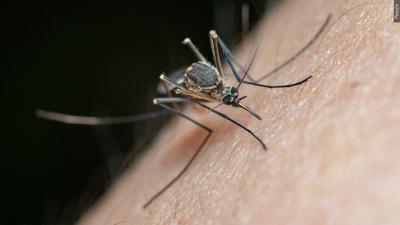
Mosquitoes can transmit both WNV and eastern equine encephalitis (EEE) to humans and horses. Sentinel chickens develop antibodies to these diseases but do not suffer from them, according to DNREC.
The following are recommendations and statistics from DNREC in relation to the detection of WNV.
Public Precautions Against Mosquito-Borne Diseases:
- Most people infected with WNV do not develop symptoms, but about 20 percent may experience mild illness. Severe cases can involve neurological issues, paralysis and possibly death.
- EEE, though less prevalent, can present more severe symptoms and is deadly in a significant percentage of cases.
- Preventative measures include wearing light-colored, long-sleeved clothing, applying insect repellent containing DEET and avoiding peak mosquito activity times (dusk, dawn and night).
For Equine Health:
- The Delaware Department of Agriculture (DDA) urges horse owners to vaccinate against WNV and EEE. Annual booster shots are necessary for previously vaccinated horses.
- Horses should be kept inside during peak mosquito hours and topical insect repellents can be applied. Regularly cleaning water troughs and buckets helps prevent mosquito breeding.
Mosquito Control Measures:
- DNREC may initiate mosquito population control measures in affected areas based on mosquito population levels and species present.
- Residents can help reduce mosquito habitats by eliminating standing water in outdoor items such as buckets, trashcans, birdbaths and rain gutters.