



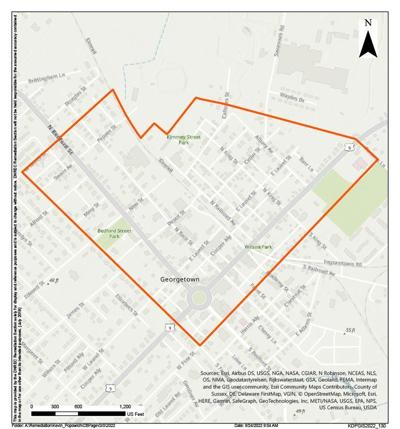


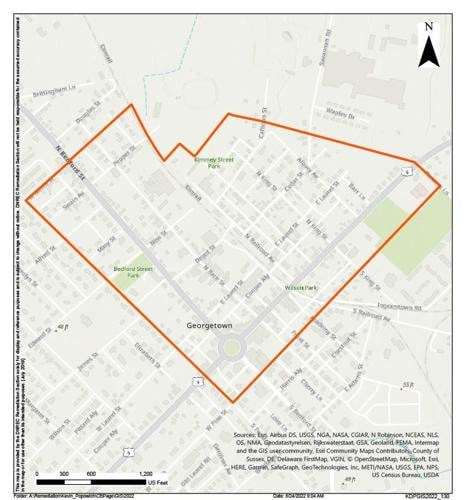
GEORGETOWN, Del. - The Environmental Protection Agency is investigating soil and groundwater pollution in Georgetown, likely from solvents used in commercial and industrial operations. According to a fact sheet from the Town of Georgetown, two former dry cleaners may have contributed to the contamination.
The Georgetown North Groundwater Superfund Site has officially been added to the national priorities list, which is for sites with known or threatened releases of hazardous substances. This area, around the intersection of Kimmey and Laurel streets in Georgetown, was added to the list in September 2022.
Georgetown uses three groundwater wells as the primary source of drinking water, and two of them have contamination exceeding the state and federal maximum levels, according to the EPA. However, Georgetown's air stripper water treatment system became active in May 2020. The EPA says the treated water currently meets state and federal safe drinking water act standards.
The solvents from dry cleaning operations and their related biproducts have the ability to emit from contaminated groundwater and soil and migrate into buildings through cracks in the foundation or, in some cases, through basement floors or walls.
HISTORY
The state began investigating for potential sources of groundwater contamination in 1985, when the city's water authority reported contaminants in untreated water. In 2015, the Department of Natural Resources and Environmental Control requested assistance from the EPA to determine the source of the contaminated groundwater plume. After a preliminary assessment, the EPA started a more thorough site inspection in 2019 to gather information to support a decision regarding future action. Samples of the water, soil and air were taken to determine if hazardous substances were present at the site and if it poses a threat to human health and the environment.
In 2020 it was determined that the site did pose a risk and would require long-term cleanup. The EPA proposed that the Georgetown North Groundwater Site be added to the national priorities list in March of 2022 and it was officially added in September. Sites on the list are eligible for long-term cleanup financed under the federal superfund program.
WHAT'S NEXT
The EPA began field investigations on July 17. A team placed samplers beneath the surface of the ground that would be adhered to volatile and semivolatile compounds in soil gas. This method sampled trace levels of compounds in soil gas that result from contamination in the soil and groundwater. Sampling is expected to finish on July 31.
The EPA said it will begin a remedial investigation, including a human health and ecological risk assessment, to determine whether action may be necessary to address risks posed by the site.
There will be a meeting to update the community on this situation on Aug. 15 from 4 to 6 p.m. at the First State Community Action Agency on North Railroad Avenue. A virtual link to join the meeting is also available on the EPA's website.
