




OCEAN CITY, Md. — It’s been one of the busiest marine stranding response seasons on record for the National Aquarium’s Stranding Response Program in Ocean City, as teams work around the clock to care for a wave of sick or stranded animals along the shore.

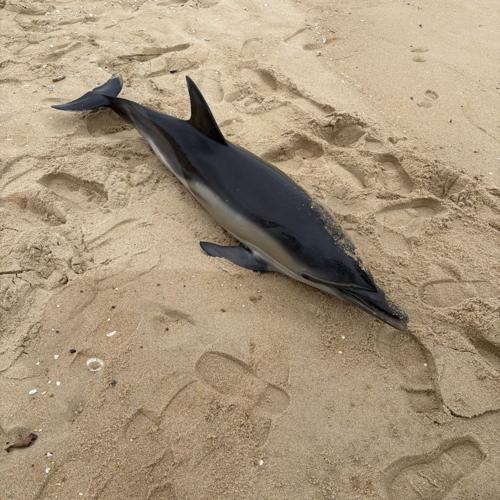
A beached dolphin, photographed by the National Aquarium Stranding Response team.
So far this season, the team has responded to 23 stranded marine animals, including 13 grey seals, 6 harp seals, 2 harbor seals, and 2 common dolphins. The uptick has put their resources to the test, but the response team continues to provide critical care and triage for affected wildlife.

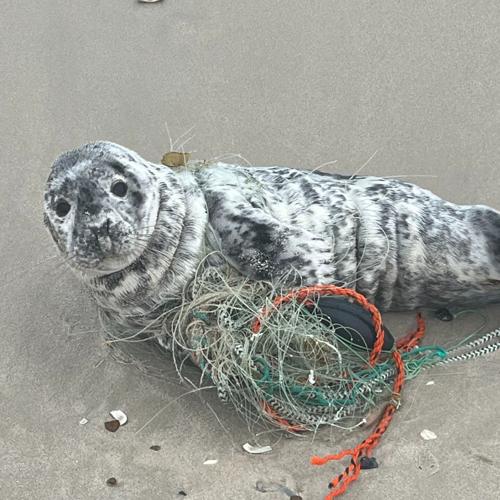
A seal caught in fishing wire and netting, rescued by the National Aquarium Stranding Response team.

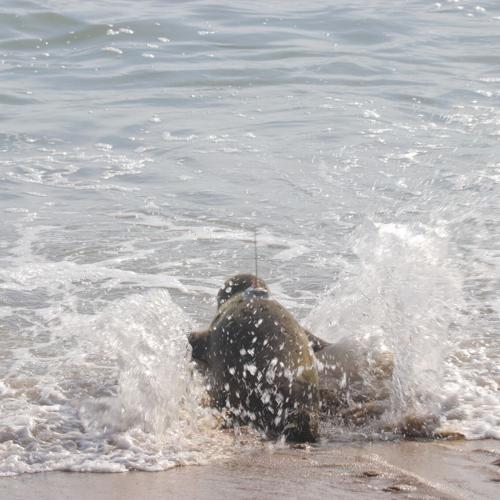
A seal released back into the ocean with a tracker (Photo Courtesy: National Aquarium Stranding Response)
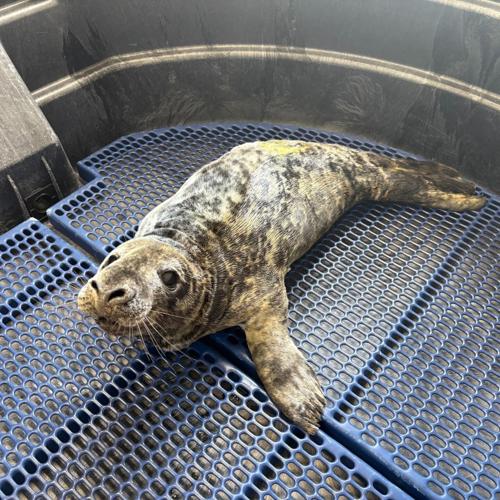
According to the National Aquarium, 8 grey seals and 2 harp seals have been admitted for immediate triage care. Of those, 4 animals were transferred for long-term rehabilitation, and 2 seals—a harp and a grey—were successfully released back into the wild after care at the aquarium’s Stranding Response Center.
“This has been one of the busiest stranding response seasons we’ve ever had,” the team shared in a recent update. “We couldn’t do this without the support of our community. Thank you for helping us protect and care for these incredible marine animals!"

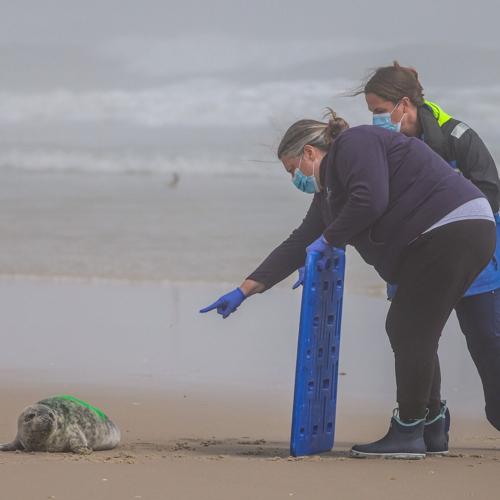
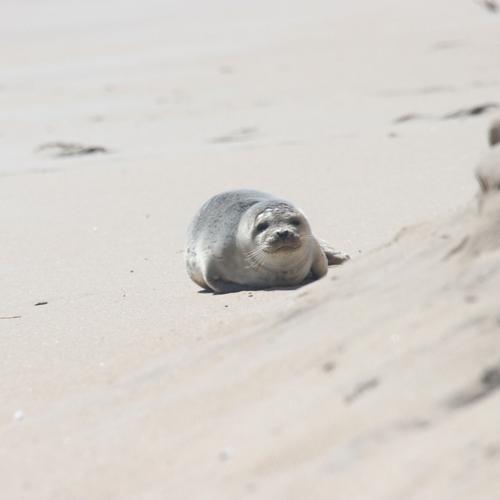
National Aquarium Stranding Response team responding to a seal on the beach.
The National Aquarium urges anyone who spots a stranded marine animal to call their 24/7 stranding hotline at 410-576-3008. People are reminded not to approach or touch the animals.
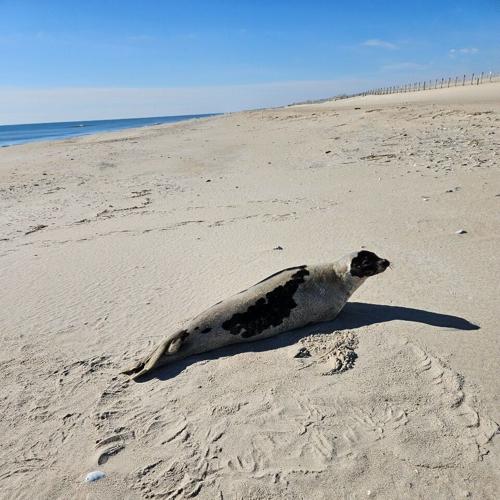
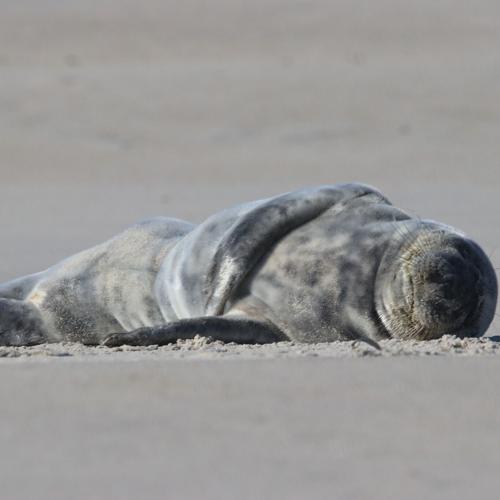
If you see a seal resting on the beach, keep a safe distance of at least 150 feet, in line with the Marine Mammal Protection Act. Seals may look distressed while simply resting, and human interference can increase their stress or lead to injury.
The stranding response efforts are conducted under NOAA permit 18786-04.


