




MARYLAND - Maryland Gov. Wes Moore announced the state has successfully met or surpassed nearly all of its pollution reduction targets set under the 2014 Chesapeake Bay Watershed Agreement.
Based on the most recent information from the Chesapeake Bay Program's pollution model, Maryland achieved 100 percent of its sediment reduction goal. Additionally, the model said the state completed its phosphorus reduction goal and 99 percent of the nitrogen reduction goal from 2009 to 2025. Moore said the model was updated this year based on data from 2025.
“Preserving the Chesapeake Bay is crucial to the long-term success of our state’s economy, culture and identity,” said Moore. “The Bay’s rivers and streams support our local environment, seafood, tourism and recreational businesses, and our administration is committed to improving its water quality and protecting the Bay as a precious heirloom to pass down to future generations in a better condition than we received it.”
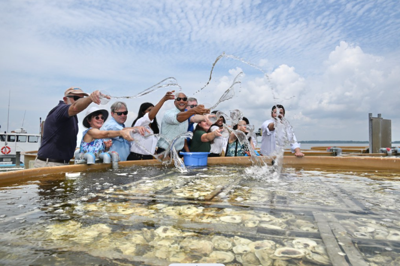
Maryland’s pollution reductions outperformed what was laid out in the broader Bay partnership’s efforts, reducing 242,000,000 pounds of sediment since 2009. The state also met its phosphorus goal of reducing 970,000 pounds since 2009, and 99 percent of its nitrogen goal, equating to 11,560,000 pounds reduced since 2009. Under the 2014 Chesapeake Bay Watershed Agreement, Maryland also helped achieve goals for tributary-scale oyster restoration, land conservation and fish passage.
Maryland announced plans to revise the original Chesapeake Bay Watershed Agreement in late 2024, completing those revisions in Dec. 2025. Under the newly revised agreement, Bay watershed jurisdictions will continue working toward the 2025 pollutant reduction targets until 2030, when the partnership will adopt updated targets to meet by 2040.
Gov. Moore said by reducing sources of nitrogen, phosphorus and sediment pollution, investing in watershed-scale habitat improvements and continuing the state’s legacy of land conservation, Maryland is improving water quality for fish and crabs as well as the industries that depend on the Chesapeake Bay. Moore said Maryland’s tourism economy generates around $3.2 billion around the Bay while the state’s robust seafood industry contributes about $600 million annually to the state’s economy.
